
Disclosure: RestaurantLaunchpad is reader-supported. When you purchase through links on our site, we may earn an affiliate commission at no additional cost to you. Read our full editorial policy.
By Marcus Rivera | June 17, 2026 | How We Evaluate
Quick Answer: Opening a Japanese restaurant requires $175,000–$500,000 in startup capital depending on your format (ramen shop vs. full-service sushi or teppanyaki). You’ll need a solid business plan, the right location, proper permits, specialized equipment, and trained staff. The process typically takes 6–18 months from concept to opening day.
Japanese cuisine is one of the most beloved and fastest-growing segments of the global restaurant industry. From casual ramen joints to upscale omakase sushi bars, there’s enormous demand—and equally enormous opportunity—for restaurant entrepreneurs willing to do the work. The U.S. Japanese restaurant market tops $22 billion annually and continues to grow as consumers seek authentic culinary experiences.
If you’ve ever dreamed of bringing the flavors of Japan to your community, this guide covers everything you need to know: startup costs, equipment, permits, menu strategy, and how to compete in a crowded market. If you’re new to restaurant ownership altogether, start with our complete guide to opening a restaurant for the foundational framework before diving into the Japanese-specific nuances here.
Why Open a Japanese Restaurant?
The numbers make a compelling case. Japanese food is consistently ranked among Americans’ top five favorite cuisines, and demand for authentic Japanese dining experiences has accelerated post-pandemic. Key market drivers include:
- Health-conscious dining trends: Japanese cuisine—particularly sushi, sashimi, and ramen with fresh broths—aligns with growing consumer interest in clean, protein-rich meals.
- Premium pricing potential: Authentic Japanese restaurants can command above-average check averages. Omakase experiences regularly hit $100–$300 per person.
- Broad demographic appeal: From families ordering bento boxes to millennials hunting the perfect tonkotsu ramen, Japanese food spans income levels and age groups.
- Franchise and fast-casual expansion: Concepts like ramen chains and conveyor-belt sushi (kaiten-zushi) offer scalable models beyond the traditional sit-down format.
Types of Japanese Restaurants to Consider
Before you write a business plan or sign a lease, you need to decide what type of Japanese restaurant you’re opening. Each format has dramatically different equipment needs, startup costs, and skill requirements.
Sushi Bar / Omakase
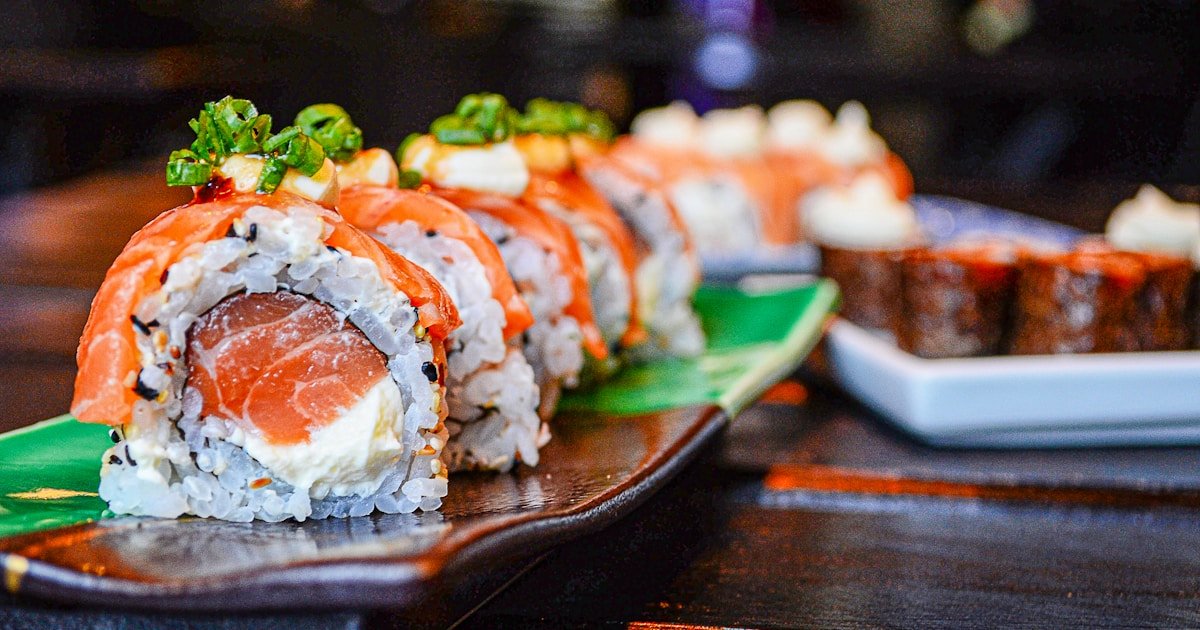
High-skill, high-margin concept centered on raw fish preparation. Requires trained sushi chefs (itamae), a sushi display case, and premium ingredient sourcing. Startup costs: $250K–$500K+. Average check: $60–$300+.
Ramen Shop
One of the most accessible Japanese formats for new operators. Focuses on broth-intensive noodle soups. Startup costs: $175K–$350K. Average check: $15–$25. Tip: Broth quality is everything—ramen shops often simmer bones 12–18 hours.
Izakaya (Japanese Gastropub)
Casual, social dining with small plates, grilled skewers (yakitori), and drinks. A flexible format that allows creative menus. Startup costs: $200K–$400K. Average check: $30–$60.
Teppanyaki / Hibachi
Entertainment dining with tableside cooking on iron griddles. Requires significant infrastructure investment (teppan grills, ventilation, specialized seating layouts). Startup costs: $300K–$600K. Average check: $50–$100.
Tempura / Udon Specialty
Counter-service or fast-casual formats centered on deep-fried tempura or hand-pulled udon noodles. Lower labor complexity than sushi. Startup costs: $175K–$300K.
Japanese Fast Casual / Bento
High-volume, lower check average. Works well in food courts, urban lunch markets. Startup costs: $100K–$200K.
Step-by-Step: How to Open a Japanese Restaurant
Step 1: Develop Your Business Plan
A rigorous business plan is non-negotiable for securing financing and keeping yourself on track. Your plan should cover:
- Concept definition (format, price point, target customer)
- Market analysis (competitor landscape, demand in your target area)
- Financial projections (3-year P&L, break-even analysis)
- Startup cost budget (see breakdown below)
- Operating cost estimates (COGS, labor, rent)
- Marketing strategy
Understanding how to calculate food cost percentage is critical at this stage. Japanese restaurants using premium fish can see COGS run 30–38% if not carefully managed.
Step 2: Choose the Right Location
Location strategy for Japanese restaurants differs from general restaurant site selection. Key factors:
- Demographics: Areas with younger, urban, food-adventurous populations perform best.
- Foot traffic patterns: Sushi and ramen both benefit from lunch trade in office-dense neighborhoods.
- Competition density: Being the only Japanese restaurant in a neighborhood is opportunity; being the fifth in a two-block radius is a red flag.
- Kitchen infrastructure: Ensure the space can support commercial ventilation for teppanyaki or adequate drainage for heavy broth production.
- Lease terms: Negotiate for tenant improvement allowances given the significant kitchen buildout required.
Step 3: Secure Financing
Funding options for Japanese restaurant startups:
- SBA 7(a) loans: $50K–$5M, competitive rates, requires solid business plan
- SBA 504 loans: Best for real estate or major equipment purchases
- Restaurant equipment financing: Lease-to-own for specialized equipment
- Private investors / silent partners: Common for higher-concept concepts
- Personal savings + family: Typical for first-time operators
Step 4: Obtain Required Permits and Licenses
Japanese restaurants—especially sushi bars—have specific regulatory requirements:
- Business license (city/county)
- Food handler / food manager certification (all states require at least one certified manager)
- Health department permit (restaurant inspection required before opening)
- Liquor license (if serving sake, beer, cocktails—apply early, can take 60–180 days)
- Raw fish variance/permit: Many health departments require a specific variance to serve raw or undercooked fish (sushi, sashimi). This is distinct from your standard food service permit.
- Certificate of Occupancy
- Fire department inspection
- Sign permits
Step 5: Design Your Kitchen and Order Equipment
Japanese restaurant kitchens require specialized equipment beyond a standard restaurant setup. See the dedicated equipment section below for a full breakdown. Planning your kitchen layout around your concept’s workflow is critical—consult a commercial kitchen designer if your budget allows.
Cross-reference with our comprehensive restaurant kitchen equipment list to ensure you haven’t missed standard items alongside the Japan-specific gear.
Step 6: Build Your Menu
Menu development is covered in depth below. At this stage, finalize your core menu with pricing before committing to equipment—menu drives equipment decisions, not the other way around.
Step 7: Hire and Train Staff
Begin recruiting 6–8 weeks before your target opening date. Japanese cuisine requires specialized talent that can be difficult to find. See the staffing section below.
Step 8: Soft Open and Iterate
Run 1–2 weeks of friends-and-family dinners and soft opening nights before your grand opening. This stress-tests your kitchen, service flow, and POS system. A reliable restaurant POS system that handles table management, modifier complexity (sushi rolls have many customizations), and integrated reporting is essential from day one.
Equipment Needed for a Japanese Restaurant
Beyond standard commercial kitchen equipment, Japanese restaurants require category-specific tools:
Sushi Bar Equipment
- Sushi display case/refrigerator: Curved glass showcase units ($1,500–$6,000) to display nigiri, sashimi, and rolls at proper temperature (32–40°F)
- Sushi rice cooker: High-capacity commercial units essential for consistent, perfectly textured shari (sushi rice). See our guide to the best commercial rice cookers for restaurants
- Hangiri (wooden rice tub): Traditional wooden bowls for seasoning sushi rice
- Sashimi knives: Yanagiba, deba, and usuba knives ($50–$500 each for quality blades)
- Fish prep tables with integrated refrigeration
Ramen Shop Equipment
- Commercial stock pots (60–80 qt): For broth production; typically 2–4 units running simultaneously
- Ramen noodle boiler: Specialized unit with multiple basket wells for cooking noodles to order ($800–$3,000)
- Broth warming/holding units: Keeps tonkotsu, shoyu, and miso broths at serving temperature
- Commercial rice cooker: For rice bowls and sides
Teppanyaki Equipment
- Teppan grills (flat iron griddles): Built-in table units, typically $3,000–$8,000 per table
- Commercial ventilation hood: Teppanyaki generates significant smoke; hood sizing is critical (and expensive)
- Specialized teppan cookware and utensils
Universal Japanese Restaurant Equipment
- Commercial rice cooker(s): A must-have regardless of concept
- Tempura fryer (dedicated fryer for light batter, separate from general frying)
- Yakitori/robata grill (for izakaya concepts)
- Gyoza press or dumpling maker
- Miso soup warmers / bain-marie
- Commercial dishwasher with sanitize cycle
Startup Costs Breakdown
| Expense Category | Ramen / Fast Casual | Sushi Bar / Izakaya | Teppanyaki |
|---|---|---|---|
| Lease deposit + first months | $15,000–$30,000 | $20,000–$50,000 | $25,000–$60,000 |
| Kitchen equipment & installation | $50,000–$100,000 | $80,000–$150,000 | $120,000–$250,000 |
| Build-out / renovation | $30,000–$80,000 | $50,000–$120,000 | $80,000–$180,000 |
| Furniture & fixtures (FOH) | $10,000–$25,000 | $15,000–$40,000 | $20,000–$50,000 |
| Permits & licenses | $3,000–$8,000 | $5,000–$15,000 | $5,000–$15,000 |
| Initial inventory | $8,000–$15,000 | $12,000–$25,000 | $10,000–$20,000 |
| POS system & tech | $3,000–$8,000 | $5,000–$12,000 | $5,000–$12,000 |
| Marketing & signage | $5,000–$15,000 | $8,000–$20,000 | $10,000–$25,000 |
| Working capital (3 months) | $20,000–$50,000 | $30,000–$70,000 | $40,000–$80,000 |
| Total Estimate | $144K–$331K | $225K–$502K | $315K–$692K |
Note: These are estimates. Costs vary significantly by market, space condition, and concept ambition. Always add 15–20% contingency to your budget.
Menu Development: Authentic vs. Fusion
One of the most important decisions you’ll make is where you fall on the authentic-to-fusion spectrum. Both approaches work—but they attract different customers and require different strategies.
The Case for Authentic
Authentic Japanese cuisine—made with traditional techniques, imported ingredients where appropriate, and Japanese culinary training—commands premium pricing and strong word-of-mouth from Japanese food enthusiasts. It also gives you a defensible story and differentiator. Downside: higher food costs, harder-to-find staff.
The Case for Fusion / American-Japanese
Fusion menus (think California rolls, teriyaki bowls, Japanese tacos) tend to have broader appeal and lower food costs. They’re more accessible to operators without deep Japanese culinary backgrounds. Risk: you’re competing in a crowded field and may struggle to stand out.
Menu Engineering Tips
- Start with a focused menu of 40–60 items max. Smaller menus reduce waste and complexity.
- Build in high-margin anchor items (edamame, miso soup, sake) that drive revenue without complexity.
- Price sashimi and premium rolls as loss leaders cautiously—raw fish waste can devastate margins.
- Engineer a prix-fixe or omakase option to increase average check and reduce ordering complexity.
- Track your food cost percentage rigorously, especially on fish-heavy items.
Staffing a Japanese Restaurant
Staffing is often the biggest challenge for Japanese restaurant operators, particularly for sushi-focused concepts.
Key Roles and Considerations
- Head Sushi Chef (Itamae): The most difficult hire. Authentic sushi training takes years; expect to pay $55,000–$90,000+ annually for an experienced chef. Consider culinary apprenticeship programs or chefs trained in Japan.
- Ramen Cook: More trainable than a sushi chef, but broth consistency requires dedication. Look for cooks with Japanese restaurant experience or consider training programs.
- Line Cooks: Tempura, yakitori, and teppan stations can be staffed with trained culinary generalists; specialize through on-the-job training.
- FOH Manager: Japanese hospitality (omotenashi) is distinctive—warmth, precision, and attentiveness. Train your team on the cultural context, not just service mechanics.
- Servers: Must know the menu deeply to explain fish varieties, preparation methods, sake pairings, and ingredients to curious diners.
Hiring Strategies
- Post on Japanese culinary community boards and local Japanese cultural organizations
- Partner with culinary schools for extern/intern pipelines
- Consider importing talent via J-1 visa exchange programs for authentic kitchen staff
- Build strong retention through fair pay, training investment, and a positive kitchen culture
Marketing Your Japanese Restaurant
Pre-Opening
- Build social accounts (Instagram and TikTok are ideal for visually stunning Japanese food)
- Tease the build-out and concept on social media 60–90 days before opening
- Reach out to local food bloggers and Instagram influencers for preview dinners
- List on Google Maps and Yelp before opening—claim your profiles early
Ongoing
- Visual social media: Japanese food is exceptionally photogenic. A consistent Instagram feed with high-quality food photography drives organic discovery.
- Google My Business: Optimize your profile, collect reviews actively, and respond to every review.
- Local SEO: Target terms like “sushi near me” and “best ramen in [city]”
- Loyalty program: Repeat customers are gold in the restaurant business. A simple points-based loyalty program via your POS system pays dividends.
- Omakase / special experience events: Invite food journalists and local media for chef’s table experiences.
- Catering and delivery: Japanese food travels reasonably well (bento boxes, sushi platters) and catering can be a significant revenue stream.
Common Challenges (and How to Overcome Them)
Challenge 1: Finding Trained Japanese Culinary Staff
Solution: Expand your hiring radius, invest in training, and consider designing your concept around roles that don’t require decades of specialized training (ramen, tempura, izakaya small plates are more accessible than high-end sushi).
Challenge 2: Managing Perishable Fish Inventory
Solution: Build relationships with reliable fish suppliers who can deliver daily or every other day. Implement strict FIFO (first-in, first-out) protocols. Use frozen fish for high-volume items like tuna rolls where freshness is less critical.
Challenge 3: High Food Costs
Solution: Engineer your menu with high-margin items to offset expensive proteins. Track food cost percentage by item, not just overall. Consider a daily specials program to use fish trim productively.
Challenge 4: Educating American Diners on Authentic Japanese Food
Solution: Train staff as ambassadors. Include brief menu descriptions that educate without condescending. Host sake tasting events and chef’s counter experiences that bring diners into the Japanese food culture.
Challenge 5: Competing with Established Japanese Restaurants
Solution: Differentiate on concept specificity. Don’t try to be all things Japanese. The best-performing new Japanese restaurants have a clear, focused identity: the best tonkotsu in town, or an omakase-only counter, or an izakaya with a deep craft sake list.
Frequently Asked Questions
How much does it cost to open a Japanese restaurant?
Startup costs range from $175,000 for a small ramen shop or fast-casual concept to $500,000+ for a full-service sushi bar or teppanyaki restaurant. The biggest variables are kitchen equipment costs and the scope of your build-out. Always budget a 15–20% contingency.
Do I need a special license to serve raw fish?
Yes. Most health departments require a variance or special permit to serve raw or undercooked fish in addition to your standard food service permit. Requirements vary by state and municipality—contact your local health department before finalizing your concept.
How long does it take to open a Japanese restaurant?
Typically 9–18 months from concept to opening day. The timeline is driven by lease negotiation, permitting (especially liquor licenses), equipment lead times, and construction. Plan for delays.
Is it profitable to open a Japanese restaurant?
Japanese restaurants can be highly profitable, particularly sushi bars and teppanyaki restaurants with high average checks. Successful operators typically see 10–18% net profit margins once stabilized, but this requires careful cost management—especially food costs and labor. The first 12–18 months are typically break-even or loss while you build a customer base.
Do I need to be Japanese or have Japanese culinary training to open a Japanese restaurant?
No formal requirement exists, but deep knowledge of and respect for Japanese culinary tradition is essential for authenticity-focused concepts. Many successful Japanese restaurant operators are not Japanese—but they’ve invested in training, staff, and authentic sourcing. If you’re opening a Japanese-inspired fusion concept, the bar is lower, but food quality still determines success.