
Disclosure: We may earn a commission if you purchase through links on this page, at no extra cost to you.
By Marcus Rivera | June 10, 2026 | How We Evaluate
Quick Answer: Opening a Chinese restaurant typically costs between $150,000 and $500,000 depending on location, size, and concept. You’ll need business licenses, food handler permits, a health inspection, and a commercial kitchen build-out. With authentic cuisine, a focused menu, and smart location selection, a Chinese restaurant can reach profitability within 12–18 months.
Chinese food is one of the most popular cuisines in the United States — and the world. From family-run takeout spots to upscale dim sum palaces, the Chinese restaurant segment covers an enormous range of concepts, price points, and customer bases. If you’ve been dreaming about opening your own Chinese restaurant, you’re entering a resilient, high-demand market.
This guide covers everything you need to know: from writing your business plan and choosing a concept, to sourcing authentic equipment, navigating health codes, and building your opening marketing strategy.
Step 1: Choose Your Chinese Restaurant Concept
Before you spend a dollar, you need a clear concept. “Chinese restaurant” is broad — your concept defines your target customer, your menu, your décor, your price point, and your staffing needs.
Popular Chinese Restaurant Concepts
| Concept | Average Check | Key Focus | Startup Cost Range |
|---|---|---|---|
| Quick-service / takeout | $10–$15 | Speed, value | $80,000–$150,000 |
| Casual dining | $15–$30 | Family-friendly, broad menu | $150,000–$300,000 |
| Dim sum / brunch | $20–$40/person | Authentic experience | $200,000–$400,000 |
| Hot pot restaurant | $25–$50/person | Interactive dining | $200,000–$450,000 |
| Fine dining / regional | $50–$100+ | Premium, curated menu | $350,000–$700,000 |
Think about who lives and works near your target location. A hot pot restaurant thrives in dense urban neighborhoods with younger demographics; a family takeout spot works well in suburban areas. Your concept should align with both your passion and your market.
Step 2: Write Your Business Plan
A solid business plan is your roadmap — and your pitch document for lenders or investors. It should cover:
- Executive summary: A one-page overview of your concept, target market, and financial projections
- Market analysis: Who are your competitors? What’s the demand in your area?
- Menu and concept: Sample menu, cuisine focus (Cantonese, Sichuan, Hunan, etc.), and price points
- Operations plan: Staffing model, suppliers, hours, service style
- Financial projections: Startup costs, monthly expenses, break-even analysis, 3-year revenue forecast
- Funding strategy: How much you need, where it’s coming from
If you’re planning a full-service restaurant, expect to spend 3–6 months on planning before you ever sign a lease. Similar to opening a Thai restaurant, the planning phase for Chinese restaurants often determines long-term success more than any other stage.
Step 3: Secure Funding
Chinese restaurants, like all food service businesses, are capital-intensive. Your major funding options include:
Common Funding Sources
- Personal savings / equity: The simplest path — no debt, full control. Most owners put in 20–40% of startup costs from personal funds.
- SBA loans: The SBA 7(a) loan is the most popular for restaurant startups. Rates are competitive, terms up to 10 years.
- Conventional bank loans: Require strong credit history and often collateral.
- Friends and family: Informal but risky if relationships are involved — always use formal agreements.
- Restaurant investors / silent partners: Suitable for larger concepts; you give up equity in exchange for capital.
- Equipment financing: Lease or finance major kitchen equipment separately to preserve working capital.
Most successful restaurant openings use a mix of personal equity (25–35%), SBA or bank loans (40–50%), and other sources. Have 6 months of operating expenses in reserve beyond your build-out budget.
Step 4: Find the Right Location
Location is one of the highest-impact decisions you’ll make. For a Chinese restaurant, consider:
- Demographics: Areas with significant Asian-American populations are excellent starting points. But great Chinese food attracts everyone — don’t limit yourself.
- Traffic and visibility: High foot traffic and easy parking are non-negotiable for most concepts.
- Competition density: Some competition is healthy (it validates demand), but avoid oversaturated blocks.
- Space requirements: A 2,000–3,500 sq ft space is typical for a 50–80 seat casual dining restaurant. Hot pot restaurants need more space per table due to equipment.
- Kitchen infrastructure: Look for spaces with existing grease traps, hood systems, and gas lines — retrofitting these is expensive. Review commercial kitchen plumbing requirements before signing any lease.
Negotiate hard on your lease. Aim for a 5-year term with two 5-year options. Request a rent abatement period during build-out (3–6 months is standard).
Step 5: Obtain Licenses and Permits
Chinese restaurants require the same licenses as any food service business. Requirements vary by state and city, but you’ll typically need:
| License/Permit | Issuing Authority | Typical Cost | Timeframe |
|---|---|---|---|
| Business license | City/county clerk | $50–$500 | 1–4 weeks |
| Food service permit | Local health dept. | $100–$1,000 | 2–8 weeks |
| Certificate of occupancy | Building dept. | $200–$2,000 | 4–12 weeks |
| Seller’s permit (sales tax) | State revenue dept. | Free–$50 | 1–3 weeks |
| Employer ID Number (EIN) | IRS | Free | Immediate online |
| Liquor license (if applicable) | State ABC board | $300–$15,000+ | 60–180 days |
| Sign permit | City/zoning board | $50–$500 | 2–6 weeks |
Start the liquor license process early if you plan to serve alcohol — it’s often the longest-lead permit in the stack.
Step 6: Design Your Kitchen for Chinese Cooking
This is where Chinese restaurants diverge significantly from other concepts. Chinese cooking requires specialized, heavy-duty equipment — especially if you’re cooking with authentic high-heat techniques.
Essential Kitchen Equipment
- Commercial wok burners: The heart of any Chinese kitchen. Authentic stir-fry requires a wok range capable of 100,000–250,000+ BTUs. These are high-pressure burners designed specifically for wok cooking. See our guide to the best commercial wok burners for restaurants to find the right unit for your volume.
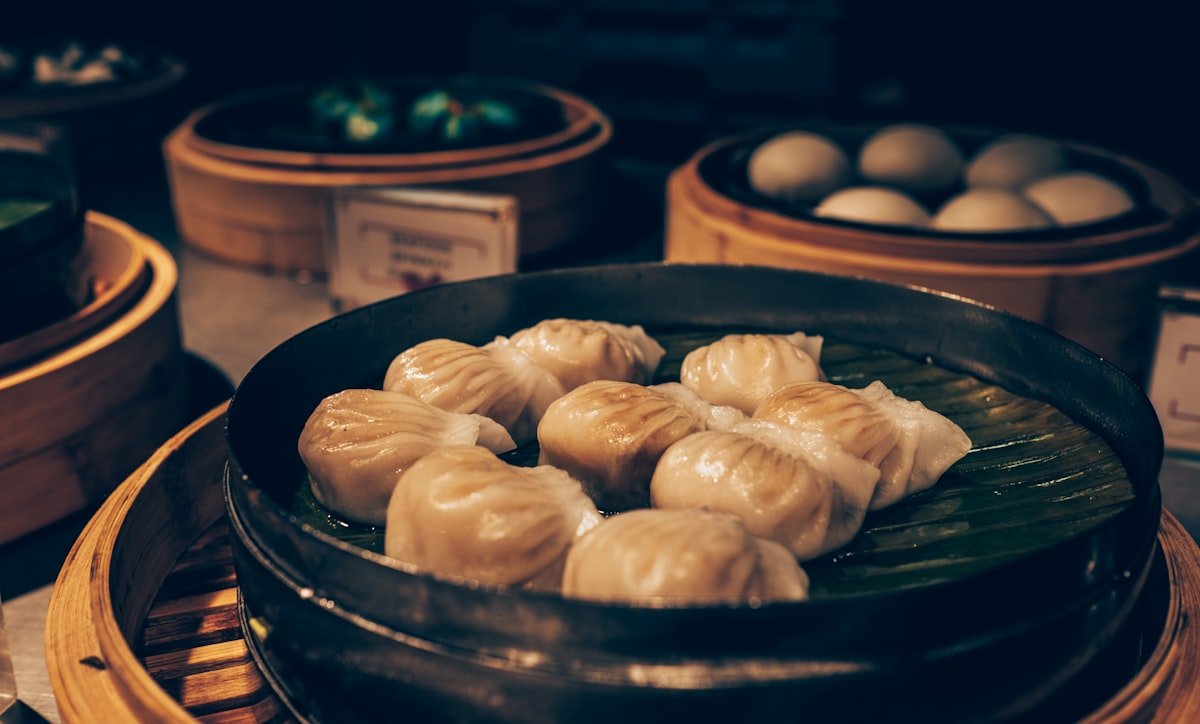
- Commercial steamers: Dim sum and dumplings require dedicated commercial steamers. Tiered bamboo steamers are traditional; electric or gas steamers handle higher volume.
- Deep fryer: For egg rolls, wontons, and fried rice accompaniments. A 40–50 lb capacity fryer handles most Chinese menus.
- Rice cooker (commercial): A commercial rice cooker is non-negotiable. A 55-cup capacity unit handles a moderate-volume service.
- Walk-in cooler and freezer: Protein-heavy Chinese menus require significant cold storage. Size for at least 3–5 days of inventory.
- Commercial ventilation: High-BTU wok burners generate massive amounts of heat and smoke. Your hood and ventilation system must be designed specifically for Chinese cooking loads.
Budget $80,000–$150,000 for a full Chinese restaurant kitchen build-out, including equipment, hood, and plumbing/gas work.
Step 7: Craft Your Menu
Chinese cuisine varies dramatically by region — Cantonese, Sichuan, Shanghainese, Hunan, Mandarin, and dozens of regional sub-cuisines each have distinct flavors, techniques, and ingredients. Your menu should reflect a coherent regional identity rather than trying to cover every style.
Menu Development Tips
- Lead with signature dishes: Have 3–5 dishes that define your restaurant and that customers will come back for.
- Balance familiar and adventurous: Offer recognizable staples (General Tso’s, fried rice, lo mein) alongside authentic specialties.
- Control ingredient overlap: Design your menu so ingredients cross-utilize across multiple dishes to reduce waste.
- Price for profitability: Aim for a food cost of 28–32% of menu price. Chinese restaurants often have lower food costs on protein-light dishes like fried rice and noodles.
- Consider dietary trends: Offer clearly marked vegetarian, vegan, and gluten-free options — it expands your customer base significantly.
Step 8: Build Your Team
Staffing a Chinese restaurant requires specific culinary skills that can be hard to find. Authentic Chinese cooking — especially high-heat wok technique — takes years to master.
Key Roles to Fill
- Head chef / wok chef: The most critical hire. Look for someone with genuine experience in your target cuisine style. This person sets the quality standard for everything.
- Sous chef and line cooks: Staff your line based on your projected covers. A 60-seat restaurant typically needs 3–4 kitchen staff per service.
- Front-of-house manager: Oversees service, handles customer issues, manages floor staff.
- Servers and hosts: Train thoroughly on the menu — guests often want to know the difference between Sichuan and Cantonese dishes.
- Dishwasher: Often underappreciated, always essential. High-volume Chinese kitchens burn through dishes fast.
Consider partnering with a culinary staffing agency for your initial hiring push. Chinese culinary talent often networks through community organizations and restaurant associations in major metro areas.
Step 9: Source Your Ingredients
Authentic Chinese food depends on authentic ingredients. Build relationships with specialized suppliers:
- Asian grocery distributors: Companies like KeHE, US Foods Asian line, or local Chinatown distributors carry soy sauces, oyster sauce, doubanjiang, sesame oil, and hundreds of specialty items.
- Fresh produce: Bok choy, gai lan, napa cabbage, bean sprouts, and specialty vegetables require either a dedicated produce supplier or frequent Chinatown market runs.
- Proteins: Duck, pork belly, and seafood are staples in many Chinese menus. Build relationships with multiple protein suppliers to ensure supply chain resilience.
- Noodles and dumplings: Decide early whether you’ll make fresh noodles and dumplings in-house or source them. Fresh is more authentic; par-cooked or frozen is more efficient for high volume.
Step 10: Market Your Opening
A great restaurant can fail without visibility. Your pre-opening marketing strategy should start at least 8 weeks before your launch date.
Pre-Opening Marketing Checklist
- Create Google Business Profile (essential for “Chinese restaurant near me” searches)
- Set up Yelp, TripAdvisor, and OpenTable profiles
- Launch Instagram and Facebook pages with behind-the-scenes content
- Host a soft opening for friends, family, and local food influencers
- Partner with food delivery apps (DoorDash, Uber Eats, Grubhub) — especially important for Chinese takeout
- Distribute menus to nearby offices and apartment buildings
- Run a grand opening promotion (10% off first visit, free appetizer, etc.)
Don’t neglect Google reviews. A new restaurant with 50+ reviews at launch has a significant edge over competitors. Ask happy soft-opening guests to leave honest reviews.
Chinese Restaurant Startup Cost Breakdown
| Expense Category | Low Estimate | High Estimate |
|---|---|---|
| Lease deposit (2–3 months) | $10,000 | $30,000 |
| Renovation / build-out | $50,000 | $200,000 |
| Kitchen equipment | $40,000 | $120,000 |
| Furniture and décor | $15,000 | $60,000 |
| Licenses and permits | $2,000 | $20,000 |
| POS system and tech | $3,000 | $15,000 |
| Initial inventory | $8,000 | $25,000 |
| Marketing and signage | $5,000 | $20,000 |
| Working capital (6 months) | $30,000 | $80,000 |
| Total | $163,000 | $570,000 |
Common Mistakes to Avoid
- Under-budgeting the kitchen: Chinese cooking equipment is expensive. Don’t cut corners on your wok range and ventilation — they directly affect food quality.
- Menu that’s too broad: A 150-item menu is a red flag to experienced diners and a nightmare for kitchen operations. Focus on 50–80 items done exceptionally well.
- Ignoring delivery: Chinese food is one of the top-ordered delivery cuisines in the US. Not being on delivery apps leaves significant revenue on the table.
- Skimping on the head chef: The chef defines your food. Pay for talent here, even if it means cutting elsewhere.
- No catering strategy: Chinese food is a natural fit for office catering and events. Explore your restaurant catering options early — it can be a significant revenue stream.
Is a Chinese Restaurant Profitable?
Yes — when executed well. Chinese restaurants benefit from relatively low food costs (especially for starch-heavy dishes), high delivery demand, and strong community loyalty. Average restaurant profit margins run 3–9%; well-run Chinese restaurants often hit the higher end of that range through efficient operations and delivery revenue.
The key to profitability is controlling labor costs (target 30–35% of revenue), managing food waste, and building a loyal repeat customer base through consistent quality.